

We’ve been fighting this battle for more than a year now and it still unknown when or if things will be back to the way it was before. It has been our priority to keep the virus out of our lovely home and family. Here are the things you can do to keep it away:
Washing hands
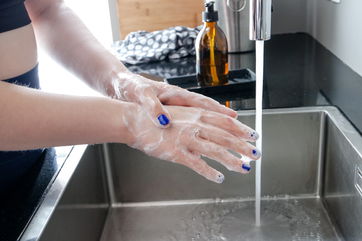
Washing hands is the best line of defense. The radio, internet, printed materials, television, everywhere – it has been advised to keep hands washed with soap and water to keep any sickness away, especially Covid19. Keeping it a habit is the best thing to do.
At home, teach family members, especially kids, to develop hand washing skills and lead by example. Centers for Disease Control and Prevention or CDC have launched a campaign all over the US aiming to motivate adults to have clean hands as part of their daily habits. Their website mentioned, “These print-ready materials can be downloaded, printed, and distributed to help raise awareness about handwashing in public areas, such as public restrooms, kitchen and workplaces. To order FREE printed copies of selected publications, you can visitCDC-INFO On Demand.”
CDCrecommends,“Soap and water, worked into a lather, trap and remove germs and chemicals from hands. Wetting your hands with clean water before applying soap helps you get a better lather than applying Soap to dry hands. A good lather forms pockets called micelles that trap and remove germs, harmful chemicals, and dirt from your hands.Lathering with Soap and scrubbing your hands for 20 seconds is important to this process because these actions physically destroy germs and remove germs and chemicals from your skin. When you rinse your hands, you wash the germs and chemicals down the drain.”
These are CDC’skey times you should wash your hands:
- Before, during,andafterpreparing food.
- Beforeeating
- Beforeandaftercaring for someone at home who is sick with vomiting or diarrhea
- Beforeandaftertreating a cut or wound
- Afterusing the toilet
- Afterchanging diapers or cleaning up a child who has used the toilet
- Aftertouching an animal, animal feed, or animal waste
- Afterhandling pet food or pet treats
- Aftertouching garbage
- If your hands are visibly dirty or greasy
- Afterblowing your nose, coughing, or sneezing, you should immediately clean your hands by either washing them with soap and water or using hand sanitizer with at least 60% alcohol.
Cleaning and Disinfecting
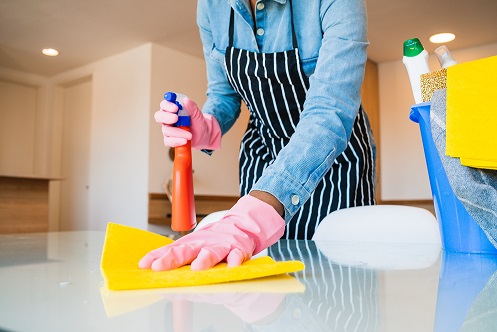
Do disinfectants kill the virus? Definitely yes!World Health Organizationsays, “Regular household cleaning and disinfection products will effectively eliminate the virus from household surfaces. For cleaning and disinfecting households with suspected or confirmed COVID19, surface virucidal disinfectants, such as 0.05% sodium hypochlorite (NaClO) and products based on ethanol (at least 70%), should be used.”
Robert F. ServiceofSciencemagin his article “Does disinfecting surfaces really prevent the spread of coronavirus?”said, “The good news from investigations of the coronavirus spread, says Juan Leon, an environmental health scientist at Emory University, is that past studies show common household disinfectants, including Soap or a diluted bleach solution, can deactivate coronaviruses on indoor surfaces. “Coronaviruses are enveloped viruses with a protective fat layer,” Leon says. Disinfectants tear apart that fat layer, Leon says, which makes coronaviruses “fairly wimpy” compared to noroviruses and other common viruses that have a more robust protein shell. The Environmental Protection Agency has a list of disinfectants that have shown to beeffective in fighting coronaviruses.”So get yourself a stock of good disinfectants to keep your house virus-free.
Home Deliveries and Mail
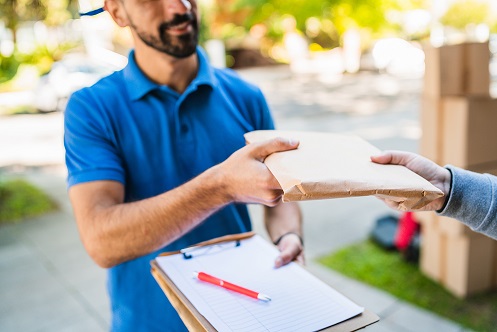
Because of this pandemic, most often than not – we do our shopping online to stay away from people and the risk of getting infected. Our worry is – does COVID19 be transmitted through mail, packages, or grocery items?CDC stated,“There is still a lot that is unknown about COVID-19 and how it spreads. Coronaviruses are thought to be spread most often by respiratory droplets. Although the virus can survive for a short period on some surfaces, it is unlikely to be spread from domestic or international mail, products, or packaging. However, it may be possible that people can get COVID-19 by touching a surface or object that has the virus on it and then touching their mouth, nose, or possibly their eyes, but this is not thought to be the main way the virus spreads.”
CDC recommends:
- When unpacking groceries,refrigerate or freezemeat, poultry, eggs, seafood, and other perishables within 2 hours of purchasing.”
- Do NOT use disinfectants designed for hard surfaces, such as bleach or ammonia, on food packaged in cardboard or plastic wrap.
- After unpacking groceries, wash your hands with soap and water for at least 20 seconds. If Soap and water are not available, use a hand sanitizer that contains at least 60% alcohol.
- After receiving your delivery or bringing home your takeout food, wash your hands with soap and water for 20 seconds. If Soap and water are not available, use a hand sanitizer with at least 60% alcohol.
- After collecting mail from a post office or home mailbox, wash your hands with soap and water for at least 20 seconds or use a hand sanitizer with at least 60% alcohol.